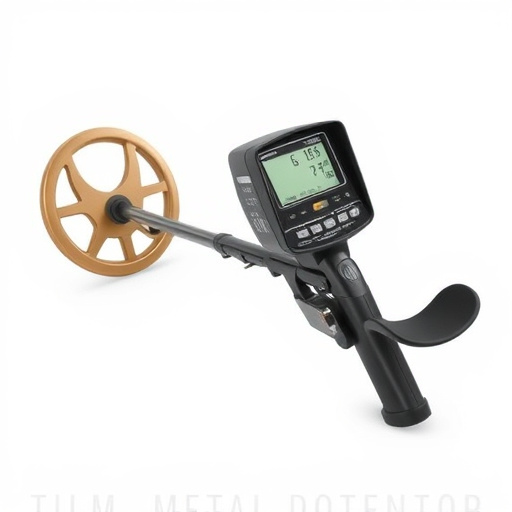
Handheld metal detectors are compact, portable security tools offering numerous advantages in diverse environments. Their small size enables easy deployment at events, public spaces, and transportation hubs for swift scanning of metallic objects. These devices provide unparalleled flexibility and maneuverability, making them invaluable for enhancing overall security measures. With advanced technology, handheld metal detectors are versatile for security, treasure hunting, and archaeological surveys, identifying metallic targets non-invasively. Their wide-ranging applications include retail security, event safety, industrial hazard mitigation, and quality control. When choosing a detector, consider factors like sensitivity, detection depth, frequency range, waterproof features, rust resistance, and different frequency options based on specific needs.
“Discover the transformative power of handheld metal detectors—a versatile security tool that has revolutionized industries worldwide. From their intricate workings to diverse applications, these portable devices offer unparalleled precision and efficiency in screening processes. This comprehensive guide explores how handheld metal detectors function, their profound benefits across sectors, and essential considerations for selection. Uncover why this technology is a game-changer in ensuring safety and security.”
Handheld Metal Detector: A Versatile Security Tool
Handheld metal detectors are versatile security tools that offer a range of benefits in various settings. Their compact size and portability allow for easy deployment in crowded areas, making them ideal for event security, public spaces, and transportation hubs. These devices can quickly scan for metallic objects, providing an effective first line of defense against potential threats.
Unlike larger, fixed metal detectors, handheld models offer greater flexibility and maneuverability. Security personnel can easily move through crowds or adjust their position to cover hard-to-reach areas. This versatility makes them a valuable asset in enhancing overall security measures without compromising on efficiency or speed.
How Does a Handheld Metal Detector Work?
A handheld metal detector is a portable device designed to locate and identify metallic objects buried beneath the surface. Its operation revolves around a simple yet effective principle: detecting changes in magnetic fields caused by metal. Inside the detector, there’s typically a coil of wire that generates a magnetic field when an electric current passes through it. When this field encounters a metallic object, it induces eddy currents within the metal, which in turn generate their own magnetic fields. These secondary fields interact with the original field from the detector, creating disruptions that are picked up by a second coil. The difference between the outgoing and incoming signals is then converted into an audible signal or vibration, alerting the user to the presence of metal nearby.
This process allows handheld metal detectors to be incredibly versatile tools for various applications, from security at airports and events to treasure hunting and archaeological surveys. Their compact size makes them easy to use in confined spaces, while their advanced technology ensures precise and reliable detection. Whether searching for concealed weapons or buried artifacts, these devices provide a non-invasive way to identify metallic targets, making them indispensable tools in many industries and hobbies alike.
Applications and Benefits in Various Industries
Metal detectors, especially their handheld variants, find applications across multiple industries due to their versatility and reliability. In retail environments, these devices play a pivotal role in ensuring security by detecting forgotten or concealed items, thereby preventing theft. They are invaluable tools for event organizers too, as they help maintain safety during large gatherings by scanning attendees’ belongings at entry points.
Moreover, handheld metal detectors have established themselves in industrial settings, where they aid in identifying and mitigating potential hazards. They are employed to inspect machinery, equipment, and infrastructure for metallic contaminants, ensuring the integrity of products and structures. This proactive approach not only enhances quality control but also contributes to workplace safety by reducing the risk of equipment failure or structural damage caused by hidden metal debris.
Choosing the Right Handheld Metal Detector for Your Needs
When selecting a handheld metal detector, understanding your specific needs is paramount. These devices serve various purposes, from security screening at events and public spaces to treasure hunting and industrial applications. Therefore, consider factors such as sensitivity, detection depth, and frequency range. High-sensitivity detectors excel at locating small or deeply embedded metals but may require more time for adjustments. On the other hand, less sensitive models are faster and easier to use in crowded areas like airports.
Additionally, think about the environment where you’ll be using it. Waterproof or rust-resistant models are ideal for beach or outdoor adventures, while compact designs offer convenience for travel and storage. Different frequencies also cater to specific needs; lower frequencies are better for deep penetration but may not detect smaller items, while higher frequencies are suitable for shallow searches and identifying precise locations of metal objects.